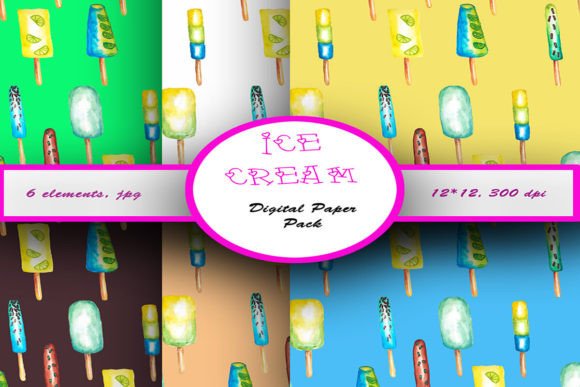
Watercolor Icecream Pattern: A Sweet Addition to Your Creative Projects
There is a distinct charm in the imperfection of hand-painted art. When you look at a Watercolor Icecream Pattern, you aren't just seeing a digital file; you are seeing the texture of pigment meeting paper, the way colors bleed into one another, and the soft, dreamy edges that define watercolor. This specific set of high-quality, hand-painted elements captures the whimsical nature of colorful ice cream, offering a resource that feels both nostalgic and modern. For designers, bloggers, and DIY enthusiasts, these patterns provide an instant mood lift, transforming flat layouts into vibrant, tactile experiences.
The appeal of this collection lies in its versatility. Unlike rigid vector graphics that can sometimes feel sterile, these watercolor textures bring warmth and humanity to any design. Whether you are crafting a wedding invitation or designing a blog header, the organic flow of the paint strokes adds a layer of sophistication that is hard to achieve with standard clip art. The set includes six individual high-resolution files, each capturing a different facet of the ice cream theme, ensuring you have enough variety to keep your projects fresh without overwhelming your audience.
Bringing Whimsy to Digital and Print Media
One of the most immediate ways to utilize a Watercolor pattern ice cream design is in the realm of social media and web content. In an era where visual fatigue is common, the soft pastel tones and fluid shapes of watercolor stand out against the stark white backgrounds of many websites. Imagine a food blogger launching a summer recipe series. Instead of a generic photo of a cone, they could overlay these watercolor elements to create a cohesive brand aesthetic that feels light, airy, and inviting.
For web designers, these assets are invaluable for creating landing pages that need to convey a sense of fun and creativity. The 300 dpi resolution ensures that when these images are scaled up for hero sections or featured on large monitors, they remain crisp and clear. You won't encounter the pixelation that often plagues lower-quality downloads. This makes them perfect for "The Planner" blogs, lifestyle websites, or even e-commerce stores selling summer apparel. The RGB format is optimized for screens, meaning the colors pop exactly as the artist intended, engaging visitors from the moment they load the page.
Tangible Magic: From Paper to Fabric
While digital applications are abundant, the true potential of this pattern set shines when it moves from the screen to physical objects. The high resolution and 12x12-inch dimensions make these files ideal for print-on-demand services and professional printing. If you run a small business creating greeting cards, these watercolor ice cream designs offer a unique selling point. A birthday card featuring a hand-painted scoop of strawberry swirl instantly feels more personal and thoughtful than a mass-produced alternative.
Consider the world of scrapbooking and physical planners. Enthusiasts often struggle to find high-quality images that match their color palettes. These six JPG files serve as ready-made journaling cards or decorative stickers. Because the files are provided in a format compatible with major editing software, users can easily crop, resize, or adjust the saturation to fit their specific layout needs. You might use a single element as a focal point on a wedding invitation, perhaps alongside a monogram, to add a touch of sweetness to a formal event.
Fabric printing is another exciting avenue. The seamless nature of watercolor patterns allows them to wrap around tote bags, tea towels, or children's clothing without awkward repeating lines. Imagine a nursery set featuring soft, melting ice cream cones in mint green and peach. The gentle gradients of the watercolor technique ensure that the fabric looks soft to the touch visually, complementing the actual texture of the material. This application extends to home decor items like throw pillows or wall art, bringing a playful yet elegant vibe to living spaces.
Workflow Integration for Designers and Makers
A significant advantage of this collection is its compatibility with the tools you likely already own. The files are designed to be opened in any image editor that supports layers and high-resolution formats. For professionals using Photoshop, the ability to manipulate individual elements within a layered structure (if applicable) or composite them over other textures offers endless creative possibilities. You can blend modes to integrate the ice cream scoops into photos, making it look as though the treat is actually sitting on a table in your photograph.
Crafters utilizing Cricut Design Space will find these assets equally useful. While Cricut often relies on vectors, high-resolution raster images like these can be used for sublimation printing or as reference guides for cutting intricate shapes. Similarly, digital artists working in Procreate can import these images as reference layers to trace, paint over, or combine with their own brushwork. The flexibility allows for a hybrid workflow where digital precision meets artistic flair.
Even non-designers can leverage these resources through user-friendly platforms like Canva Pro. By uploading the JPG files, you can drag and drop them onto templates for Instagram stories, YouTube thumbnails, or presentation slides. The ease of access means that the barrier to entry for creating professional-looking graphics is significantly lowered. You don't need to be a master illustrator to produce stunning visuals; you just need the right assets.
Choosing the Right Elements for Your Project
Before diving into a project, it is worth considering how these specific patterns align with your goals. The Watercolor Icecream Pattern is inherently cheerful and summery. It works exceptionally well for themes related to childhood, celebration, summer sales, or dessert menus. However, it may not be the best fit for corporate reports or somber occasions. Understanding the emotional tone of the asset is crucial for maintaining design consistency.
Another consideration is the background. Watercolor paintings often feature white or off-white space around the subject. If you are placing these elements on a dark background, you may need to adjust the transparency or add a subtle shadow to ensure they don't get lost. Conversely, if you are printing on colored paper, the white space in the original painting might clash. Planning your color palette around the natural hues of the watercolor—typically soft pinks, blues, yellows, and greens—will yield the most harmonious results.
Finally, think about the scale. While the files are approximately 12x12 inches, the actual size of the ice cream elements within those frames varies. Some might be detailed close-ups, while others are broader compositions. Reviewing all six files before starting allows you to select the ones that best fit your composition. You might use a small detail as a watermark or a larger piece as a full-page background. This strategic selection process ensures that every element serves a purpose, enhancing the overall impact of your design rather than cluttering it.
Ultimately, this set of hand-painted watercolor elements is more than just a download; it is a toolkit for storytelling. Whether you are a seasoned graphic designer looking for a new texture or a hobbyist wanting to spice up your next scrapbook page, the Watercolor pattern ice cream offers a delightful way to inject color and personality into your work. Its high quality and versatile format make it a reliable resource for countless creative endeavors, proving that sometimes the simplest, sweetest ideas make the biggest impression.