The Modern Appeal of the Minimalistic Fir Tree SVG in Contemporary Design
In the rapidly evolving landscape of digital aesthetics, the shift towards simplicity has redefined how we represent natural elements. Among these transformations, the Minimalistic Fir Tree SVG has emerged as a powerful visual tool, capturing the essence of the season and nature without the clutter of traditional illustration. This design philosophy strips away unnecessary details, focusing instead on clean lines, geometric precision, and a streamlined silhouette that resonates with modern sensibilities. For designers, developers, and brand managers, understanding the utility and versatility of this specific graphic format is essential for creating impactful visual communications.
Defining the Aesthetic: Geometry Meets Nature
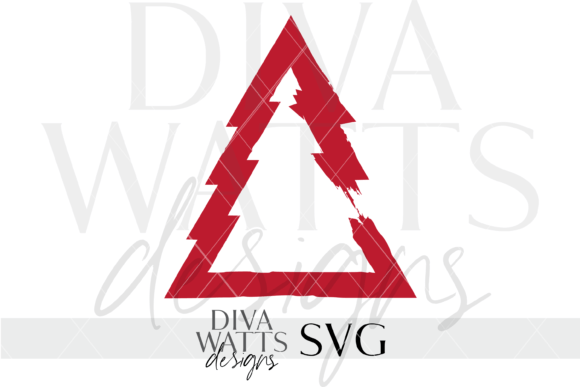
The core of the minimalistic approach lies in reduction. Unlike realistic renderings that strive to replicate every needle and branch, a minimalistic interpretation seeks the fundamental form of the subject. When applied to a fir tree, this results in a composition often defined by tiered layers or a singular, strong triangular silhouette. These shapes are not merely decorative; they serve as a visual shorthand that the human brain instantly recognizes as a tree, specifically one associated with winter and celebration.
This style relies heavily on negative space and the interplay between solid forms and empty areas. By utilizing simple geometric shapes, the design achieves a sense of balance and harmony that complex illustrations often struggle to maintain at smaller scales. The result is an image that feels both organic and structured, bridging the gap between the chaotic beauty of nature and the orderly precision of digital interfaces. This duality makes the Minimalistic Fir Tree SVG particularly effective in environments where clarity is paramount.
The Technical Advantage of Scalable Vector Graphics
While the aesthetic choice drives the initial appeal, the technical format ensures longevity and utility. The use of Scalable Vector Graphics (SVG) is critical for this type of design. Unlike raster images such as JPEGs or PNGs, which are composed of fixed grids of pixels, SVGs are defined by mathematical equations describing points, lines, curves, and shapes. This distinction allows a minimalistic fir tree to be scaled from a tiny favicon on a mobile browser to a massive billboard without any loss of quality.
For professionals working across various media, this scalability is a non-negotiable requirement. A pixelated tree on a high-resolution screen can ruin the credibility of a website, whereas an SVG remains crisp regardless of the display density. Furthermore, SVG files are typically lightweight, contributing to faster page load times—a crucial factor for search engine optimization and user experience. The code-based nature of the file also means it can be manipulated directly via CSS, allowing for dynamic color changes, animations, and interactions that static images cannot support.
Strategic Applications in Digital and Print Media
The versatility of the minimalistic fir tree extends far beyond a single holiday greeting card. Its adaptability makes it a staple in diverse workflows ranging from web development to eco-conscious branding. Because the design is so stripped back, it acts as a neutral yet expressive element that can blend seamlessly into almost any existing visual identity.
- Web Icons and User Interfaces: In the context of web design, icons need to be instantly recognizable even at small sizes. A detailed tree illustration becomes a muddy blob when shrunk to 16x16 pixels. A minimalistic version, however, retains its definition perfectly. It serves effectively as a navigation icon for "Holiday Sales," a status indicator for seasonal campaigns, or a decorative element in sidebar menus.
- Eco-Friendly Branding: Sustainability is a major theme in modern business. The clean, uncluttered look of a simplified tree aligns well with brands that prioritize environmental responsibility. It suggests purity and a return to basics. Companies in the renewable energy, organic food, or outdoor gear sectors often utilize this imagery to reinforce their connection to nature without appearing overly rustic or dated.
- Printed Materials and Packaging: From business cards to product packaging, the ability to scale without losing resolution is invaluable. A minimalistic fir tree printed on a coffee sleeve or a luxury box maintains its sharp edges. The geometric nature of the design also translates well into embossing, foil stamping, and die-cutting processes, adding tactile interest to physical products.
- Social Media and Content Marketing: In the fast-scrolling environment of social feeds, bold, simple graphics capture attention more effectively than busy compositions. A stark, white fir tree against a dark background, or a colored silhouette on a pastel gradient, creates a striking visual pause that encourages users to stop and engage with the content.
Enhancing User Experience Through Visual Clarity
Beyond mere decoration, the use of simplified graphics plays a significant role in User Experience (UX) design. Cognitive load theory suggests that users process information better when distractions are minimized. A complex, hyper-realistic tree requires the brain to parse numerous details before identifying the object. In contrast, a minimalistic representation offers immediate recognition.
This immediacy is vital for responsive design. As websites must now render flawlessly on everything from smartwatches to large desktop monitors, the consistency of the visual language is key. The Minimalistic Fir Tree SVG ensures that the visual message remains consistent across all devices. Whether a user is viewing a holiday promotion on a smartphone during a commute or on a tablet at home, the integrity of the design holds firm.
Furthermore, the simplicity of the design allows for greater flexibility in animation. Developers can easily animate the tiers of the tree, add falling snow effects around the silhouette, or change the color of the foliage to match different seasons or brand themes. This interactivity adds a layer of engagement that static images lack, making the digital experience more immersive and memorable.
Color Theory and Customization Potential
One of the most overlooked benefits of the SVG format in conjunction with minimalism is the ease of customization. Because the tree is often constructed from distinct paths or shapes, changing its color scheme is as simple as altering a few lines of code or selecting a new fill value in a design tool. This capability allows a single asset to serve multiple purposes within a brand ecosystem.
For instance, a corporate brand might use a monochromatic version of the tree to maintain a professional, serious tone during a year-end report. Conversely, the same base design could be filled with vibrant gradients for a festive marketing campaign. Educators and researchers can also leverage this flexibility, using the tree to illustrate concepts in geometry, botany, or data visualization without needing to commission new artwork for each specific application. The ability to adapt the visual to fit the context ensures that the asset remains relevant and useful over time.
Implementation Considerations for Creators
While the benefits are clear, implementing a minimalistic design requires a thoughtful approach. The challenge lies in achieving simplicity without sacrificing character. A design that is too abstract may fail to communicate its intended meaning, while one that retains too much detail defeats the purpose of minimalism.
Creators should focus on the "essence" of the fir tree. What are the defining characteristics? Typically, it is the conical shape and the layered branches. By exaggerating these features slightly through geometric abstraction, the designer can create an image that feels familiar yet fresh. Attention to line weight is also crucial; consistent stroke widths contribute to a cohesive and professional look.
When integrating these assets into a broader project, it is important to consider the surrounding elements. A minimalistic tree pairs exceptionally well with sans-serif typography and ample whitespace. Crowding the design with heavy textures or ornate fonts can undermine the clean aesthetic of the SVG. The goal is to let the simplicity of the tree breathe, allowing it to act as a focal point rather than just another element in a cluttered composition.
The Future of Simplified Natural Imagery
As digital trends continue to favor flat design and material aesthetics, the demand for clean, scalable vector graphics will only grow. The Minimalistic Fir Tree SVG represents more than just a seasonal icon; it is a testament to the enduring power of good design principles. It demonstrates that less can indeed be more, providing a solution that is technically robust, aesthetically pleasing, and universally applicable.
For business owners looking to refresh their brand identity, hobbyists exploring digital art, or educators seeking clear visual aids, this format offers a versatile foundation. It bridges the gap between the organic world and the digital realm, offering a way to celebrate nature and tradition through a contemporary lens. By embracing this streamlined approach, creators can ensure their work remains sharp, relevant, and effective in an increasingly crowded digital landscape.